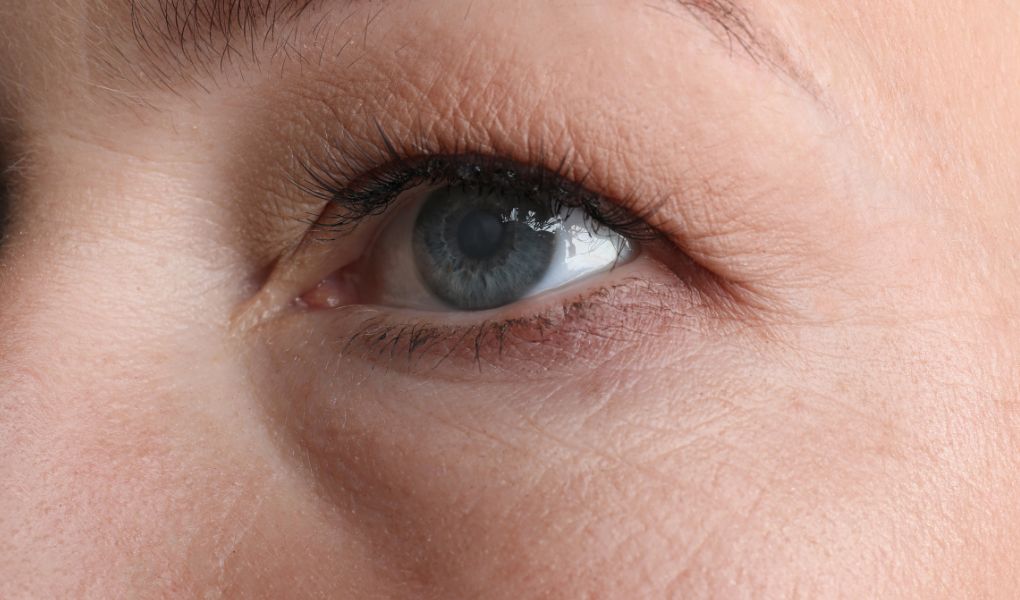
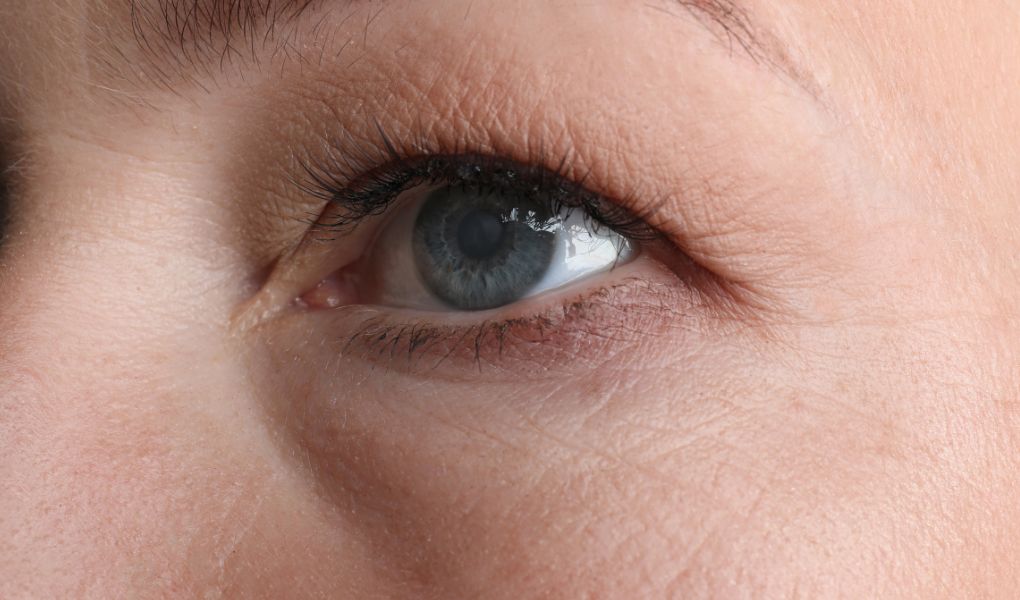
Cataracts are a common age-related eye condition that can cause blurred vision, reduced color perception, and increased sensitivity to light. According to official sources, they affect 28,000 people in Switzerland each year. Cataracts occur when the lens of the eye gradually becomes cloudy, which can prevent light from passing through and reaching the retina.
Fortunately, cataracts can be treated with a relatively simple surgical procedure. During the procedure, the cloudy lens is removed and replaced with an artificial lens, often in less than an hour, under local anesthesia. Recovery after surgery is usually quick, and most patients notice an improvement in their vision the day after the operation.
It is recommended to consult an ophthalmologist as soon as symptoms of cataracts appear, such as changes in vision or a decrease in visual acuity. Dr. Lamloum advises consulting an ophthalmologist if a person experiences discomfort while driving at night, notices colors appearing duller, or experiences increased glare.
In an interview conducted by the media outlet Frapp, he answered several questions about this eye condition. Below is a transcript of some excerpts from that interview.
Interview with Dr. Lamloum
What causes cataracts?
Dr. Lamloum: The most common type of cataract is simply age-related. However, other diseases, notably diabetes, can increase the risk of developing cataracts. But it’s primarily age-related. It’s a bit like gray hair.
What are the symptoms? Is cataract painful?
Frapp: What are the symptoms and what does the patient experience? Are there also pains that accompany cataracts?
Dr. Lamloum: There is no pain. As for vision loss, it’s important to know that sometimes it’s misleading because it can take time to develop. There are also other symptoms; for example, people may experience more difficulty driving at night. Some people find that colors become duller or that whites take on a yellowish tint.
What happens inside the eye?
Frapp: What exactly happens in our eye when we have cataracts, doctor?
Dr. Lamloum: Inside the eye, there is a lens, a kind of sphere called the crystalline lens. Originally, it is transparent, but over the years it gradually becomes cloudy, and that’s what causes all these problems.
Is cataract hereditary?
Frapp: Can it also be hereditary? Can cataracts be passed down from father to son or from mother to daughter?
Dr. Lamloum: In some cases, there may be a hereditary component, but these are less frequent forms than those related to age.
Can cataracts be treated?
Frapp: Can this be treated?
Dr. Lamloum: Cataracts are very treatable. The treatment involves an operation that lasts about thirty minutes, after which the patient can go home after a light snack. It’s painless, and in some cases, it can even be treated with a laser.
Does laser improve cataract surgery?
Frapp: You mentioned lasers. We had the opportunity to discuss them on this program a few weeks ago with you regarding vision correction. Is it also the miracle cure for cataracts?
Dr. Lamloum: The classic operation is perfectly adequate, but the laser, in some cases, ensures greater precision.
What happens to the cloudy lens?
Frapp: You mentioned earlier that the lens tends to become opaque. Specifically, what are we going to do with this lens? Are we going to replace it? Are we going to clean it?
Dr. Lamloum: We’re going to replace it. There’s no other solution than to replace it with one custom-made for the patient’s eye. The second advantage of cataract surgery is that it’s an operation that gives very good long-term results. Sometimes, in certain cases and after a few years, it will need cleaning. It takes five minutes; you can’t really call it an operation.
Learn more about the treatment
Can cataracts lead to blindness?
Frapp: Can you go blind if it’s not treated in time?
Dr. Lamloum: Yes, that’s true, but fortunately not here in Switzerland. In some countries, it’s the leading cause of blindness after the age of 50. Cataracts generally develop with age, but as mentioned earlier, there are other conditions as well. There’s macular degeneration, glaucoma, and other eye diseases that can occur with age. It’s advisable to have a medical examination during which eye drops are used to dilate the pupils, allowing an accurate diagnosis and the most appropriate treatment to be offered.