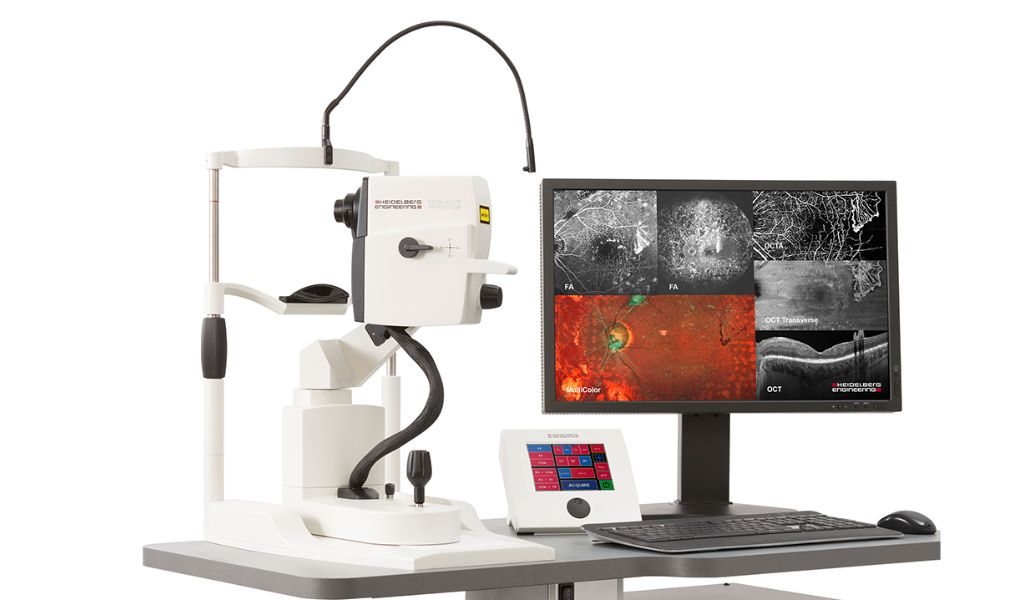
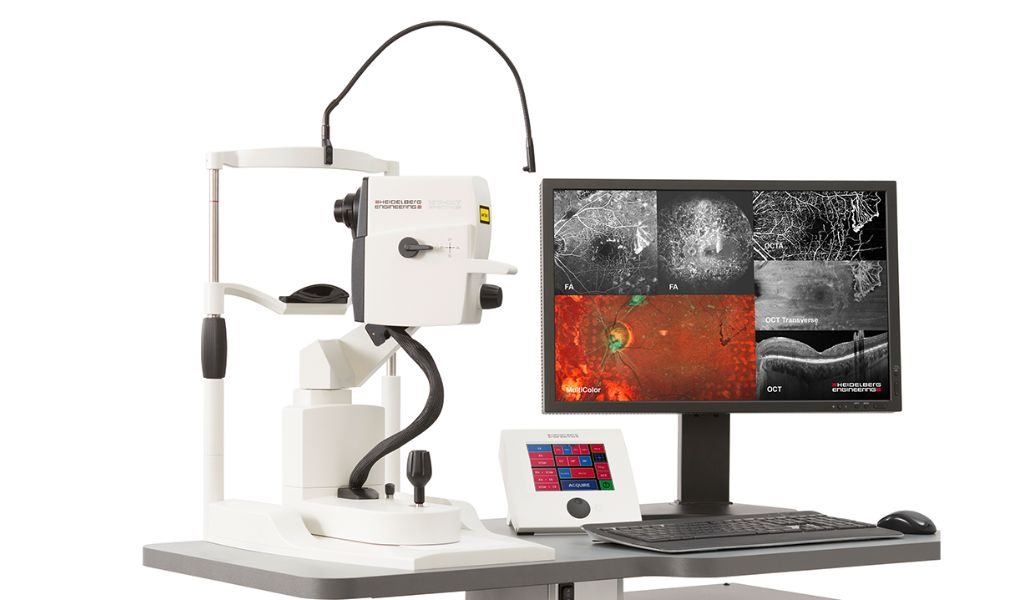
In this article, we will explore a video showing imaging of retinal vessels after the injection of a contrast agent. This procedure was performed during a routine examination of a patient at the Oculus Center. The video reveals a blocked vessel, resulting in disrupted blood flow and creating a darker area around the retina. This blockage resembles a similar condition seen in the brain, requiring prompt medical attention.
Imaging of retinal vessels with a contrast agent
The procedure involves capturing images of the blood vessels in the retina using a specialized imaging technique called retinal angiography. During this procedure, a contrast agent is injected into the patient’s bloodstream. The contrast agent circulates through the blood vessels of the eye, allowing them to be visualized during imaging.
VIDEO: Observation of an obstructed vessel
Around the 20-second mark of the video, a blocked blood vessel becomes clearly visible. The contrast agent, represented by a white substance, cannot pass through the blocked vessel. This indicates that blood flow is obstructed at this point, resulting in insufficient blood supply to the surrounding retinal tissue.
Identification of the affected retinal area
The area surrounding the blocked vessel appears darker, indicating reduced blood flow and nutrient deprivation in that part of the retina. This phenomenon is called non-perfusion and can lead to significant visual impairment if not treated promptly. Non-perfused areas are particularly concerning because they can result in retinal loss and potential vision deterioration.
Medical care
Managing retinal vessel occlusions requires a similar approach to managing cerebral vessel occlusions. Prompt medical intervention is essential to prevent further damage and restore blood flow. Treatment options may include medication, laser therapy, or, in the most severe cases, surgery. Early detection and intervention can significantly improve the prognosis for patients with this type of condition.
Imaging the retinal vessels with contrast agents provides invaluable insights into the health of the retina and the condition of its blood vessels. Just as blockages in the brain can have serious consequences, prompt treatment of retinal vessel occlusions is crucial to preventing vision loss. If you notice sudden changes in your vision or have any concerns about your eye health, it is essential to consult an eye care professional. Regular eye exams starting at age 55 are also recommended.